



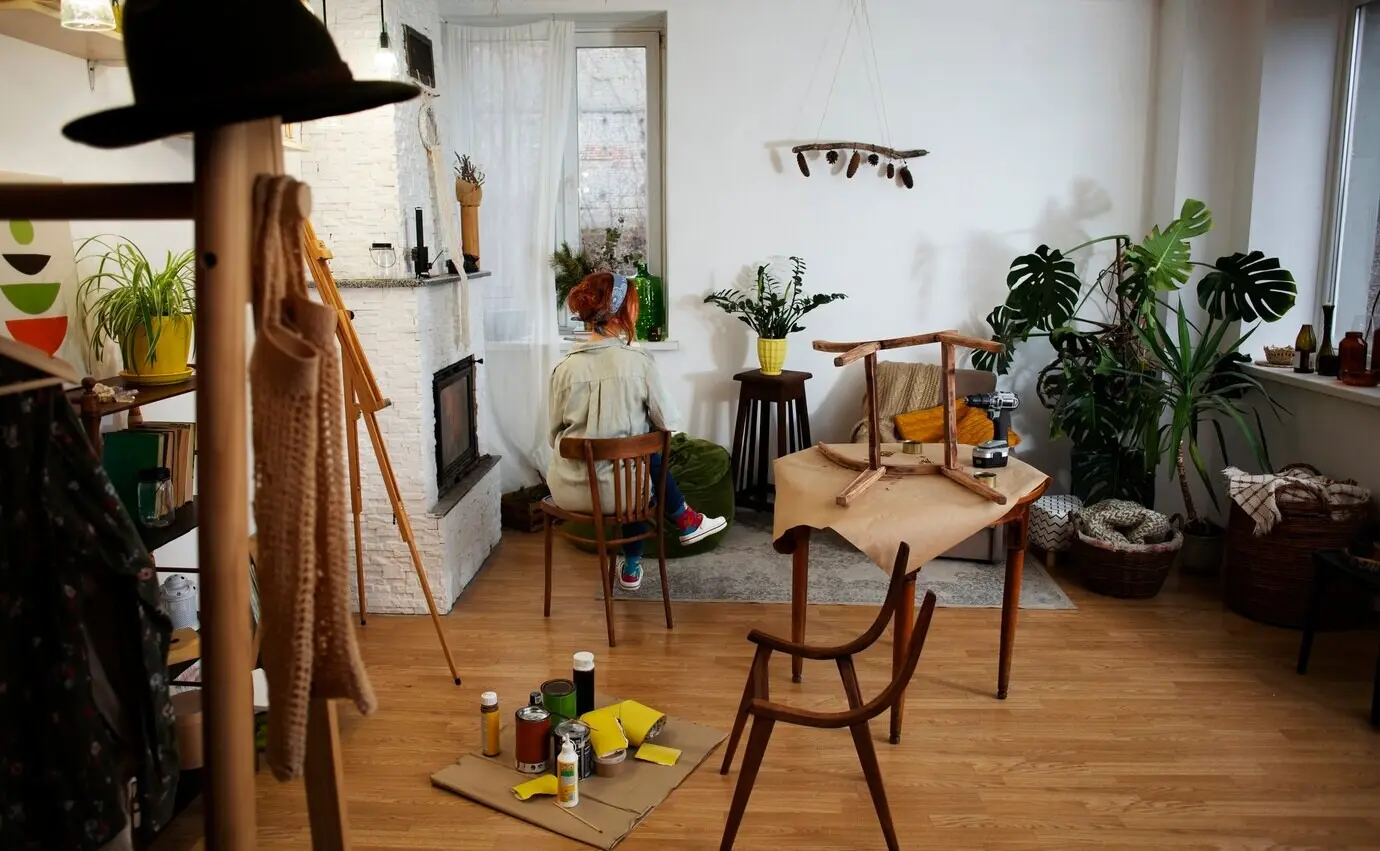

A Living Room That Loves the Planet

Today we explore zero-waste living room design strategies that blend beauty, comfort, and responsibility without sacrificing personality. We will map practical choices, reusable materials, creative reuse, and maintenance rituals that prevent waste before it begins. Share your questions, ideas, and photos with our community so we can learn together and celebrate progress over perfection, one thoughtful decision and inspiring corner at a time.

Start With What You Have

Before buying anything new, learn your room’s habits. Track what ends up in the bin, what constantly breaks, and what sits untouched. When you understand patterns, you can design out waste with smarter storage, durable materials, and flexible layouts. You will also uncover personal aesthetics naturally, avoiding impulse purchases that rarely fit. This gentle approach builds confidence and momentum while protecting your budget and the planet.

Furniture That Earns Its Place

Choose pieces that last decades, not seasons. Look for repairable frames, reversible cushions, replaceable parts, and hardware you can tighten. Favor certified wood, reclaimed lumber, responsibly tanned leather, or upholstery with removable, washable covers. Ask about take-back programs and spare components. Prioritize timeless lines that transcend trends, minimizing future waste. When furniture can adapt, disassemble, or age gracefully, your living room remains inviting without endless replacements or costly compromises.

Rugs That Age Gracefully

Choose wool, jute, or other renewable fibers, ideally with natural dyes and reversible construction. Measure carefully to avoid returns and offcuts. Use a natural rubber pad to protect floors and extend life. Spot-clean immediately with gentle soaps and blotting, not scrubbing. Rotate seasonally to balance wear and sun exposure. When edges fray, work with a local rug repair artisan rather than replacing the whole piece. History underfoot beats landfill futures.

Cushions, Covers, and Clever Swaps

Invest in quality inserts and rotate covers seasonally rather than buying new pillows. Envelope closures avoid broken zippers and simplify mending. Wash with cool water, biodegradable detergent, and air-dry whenever possible. Keep a small stash of patches to mend seams quickly. Fabric remnants from tailoring shops or thrift finds become fresh covers. Small updates scratch the novelty itch without generating extra waste or clutter, while keeping color stories interesting year-round.

Light, Air, and Energy Sense

Design for serenity and efficiency together. Begin with daylight: bounce it off light walls, mirrors, and pale textiles to reduce artificial lighting needs. Pair low-energy LEDs with warm color temperatures and dimmers for layered ambience. Encourage cross-ventilation, seal sneaky drafts, and use ceiling fans before turning on heating or cooling. Small passive moves compound into big comfort, smaller bills, and fewer replacement bulbs, filters, and devices cluttering drawers and landfills.

Decor With a Past and a Future

Shape meaning without waste. Curate objects that already exist: thrifted frames, inherited ceramics, postcards from travels, or stones from a favorite beach. Rotate displays to keep things fresh rather than buying new accents. Use reversible mounting methods and paint that can be touched up without stripping. Celebrate stories behind each piece. When every object carries memory and purpose, clutter fades, impulse fades, and the room becomes a living archive of care.
Gather mis-matched vintage frames and unify them with a single finish or consistent mat color. Hang with small nails or reusable hooks to minimize wall damage and repairs. Rotate artwork seasonally to refresh mood without additional purchases. Display kids’ drawings, love notes, and travel sketches alongside cherished prints. Your wall becomes a narrative you can edit gently, producing excitement without boxes of discarded decor lingering sadly in closets.
Introduce houseplants propagated from friends instead of buying multiples. Repot with reclaimed containers and locally sourced compost. Learn each plant’s light preference to prevent wasteful replacements. Swap cuttings with neighbors for variety. When leaves yellow, troubleshoot watering and light before giving up. Plants clean air modestly, lift spirits noticeably, and remind us to tend, not toss. Their slow growth echoes a patient design practice that values continuity over constant novelty.
Skip paraffin candles with disposable tins and consider beeswax tapers, essential oil diffusers, or stovetop simmer pots using citrus peels and herbs. Refill and reuse vessels rather than buying fragranced jars. Ventilate briefly after cooking to keep air fresh. Scent becomes ritual, not residue. You get warmth and welcome while sending fewer empty glass containers and plastic lids into the bin every month, which feels surprisingly satisfying.

Care, Repair, and Community

Real zero-waste progress happens in maintenance and sharing. Build simple routines that protect surfaces, fabrics, and finishes. Keep a small repair kit accessible and learn a few skills through local workshops. Participate in neighborhood swaps, buy-nothing groups, and take-back programs. Ask brands about spare parts, not just color options. Share your wins with us and others. Community encouragement reduces perfection pressure and turns good intentions into ongoing, collective improvements.

A Gentle Cleaning Routine

Use microfiber cloths that can be washed hundreds of times, a spray bottle with diluted vinegar for glass, and baking soda for scuffs. Avoid disposable wipes and strong fragrances that linger in fabrics. Schedule fifteen-minute resets after busy days. Spot-clean upholstery promptly, and protect arms and headrests with washable throws. A tidy, breathable room makes waste prevention feel natural, because fewer emergencies lead to fewer frantic, disposable shortcuts.

The Living Room Repair Kit

Assemble a screwdriver set, furniture pads, wood touch-up wax, upholstery needles, thread, fabric patches, non-toxic glue, and a small clamp. Label everything, store it visibly, and add a few QR codes linking to tutorials. When a leg loosens or a seam pops, fix it immediately. Quick repairs save money, avert replacements, and build useful pride. Share tools with neighbors to multiply impact and reduce dormant duplicates in every household.

Keep It Moving, Not Trashed

Create a permanent give-or-swap basket for decor and books you no longer use. Host seasonal exchange nights with friends, or join local groups dedicated to sharing. Ask brands about repair services and end-of-life options. Document serial numbers and care tips for the next owner. Circulation keeps objects valued and alive, while landfills receive less. Tell us where your favorite swap happens, so readers nearby can join the generosity.

Nanulifuvotepuhaxeherama
Privacy Overview

This website uses cookies so that we can provide you with the best user experience possible. Cookie information is stored in your browser and performs functions such as recognising you when you return to our website and helping our team to understand which sections of the website you find most interesting and useful.