Refresh Your Space, Uplift Your Neighborhood

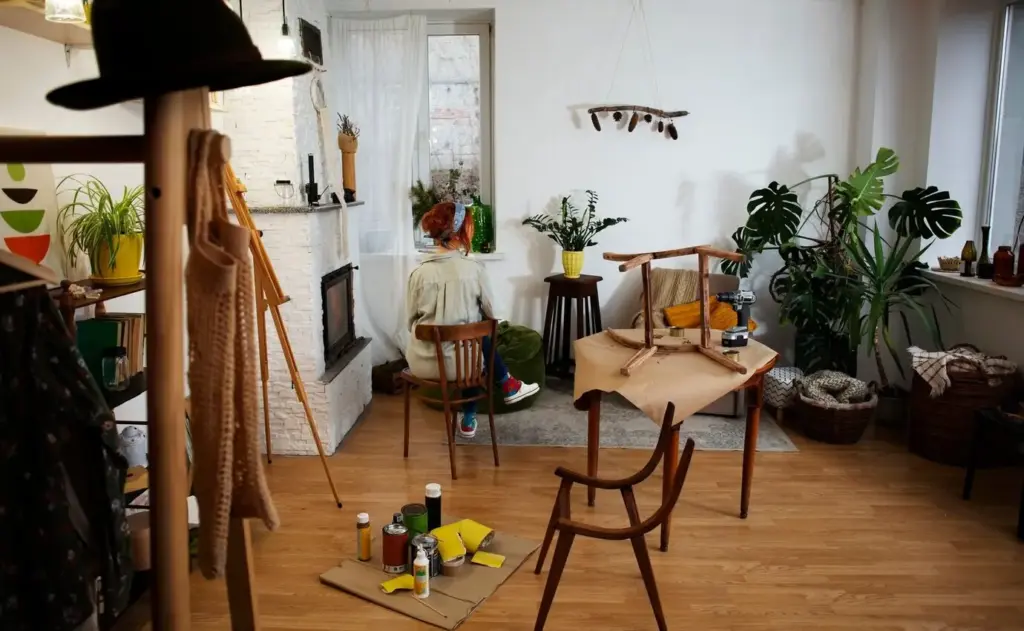
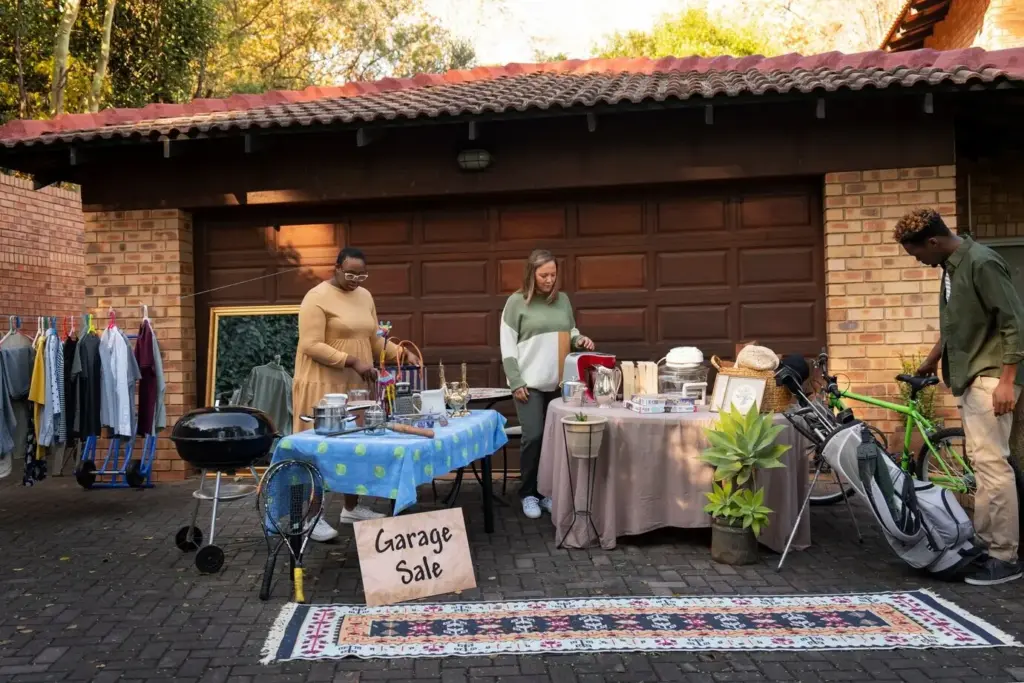
We’re diving into organizing a community home decor swap, turning forgotten frames, lamps, and textiles into fresh joy while strengthening local bonds. Expect a complete, friendly blueprint: timelines, roles, quality standards, flow plans, and heartwarming stories that make trading feel generous, fair, and fun. Bring your questions, share your ideas, and subscribe for checklists, printables, and reminders that help your swap day shine without waste or stress.

Set the Intention

Clarity at the start shapes everything that follows, from how people are invited to how items are curated and celebrated. Define why this matters for your neighborhood—reducing waste, refreshing homes on a budget, and sparking connection—so volunteers, donors, and guests can rally around a simple, motivating purpose together.

Build a Timeline That Actually Works

A realistic schedule prevents last‑minute chaos and volunteer burnout. Sequence outreach, curation, and logistics so each step supports the next. Include buffers for surprises, like a sudden influx of rugs. Align tasks with people’s availability, and use simple reminders so the whole team moves in sync without micromanagement.

Design the Space for Smooth Flow

Good layout transforms generosity into ease. Think like a museum and a market: clear zones, intuitive arrows, and plenty of breathing room. Keep check‑in separate from browsing. Elevate fragile items, group colors thoughtfully, and add mirrors and measuring tapes so decisions feel confident, quick, and delightfully low‑stress.

Smart zoning and signage

Create distinct islands for wall art, lighting, textiles, tabletop accents, and seasonal pieces. Use big, legible signs at eye level and smaller shelf cards near items. Provide carts or baskets where possible. A clear path from intake to display discourages bottlenecks and invites guests to meander without colliding.

Fair exchange system people understand

Assign simple values—like one to three tickets—based on size and condition, then let guests spend tickets on anything within their range. Avoid cash to keep focus on sharing. Place friendly guides at bottlenecks to explain the system, protect fragile displays, and ensure newcomers feel welcomed, not judged.
Raise the Bar on Quality and Care

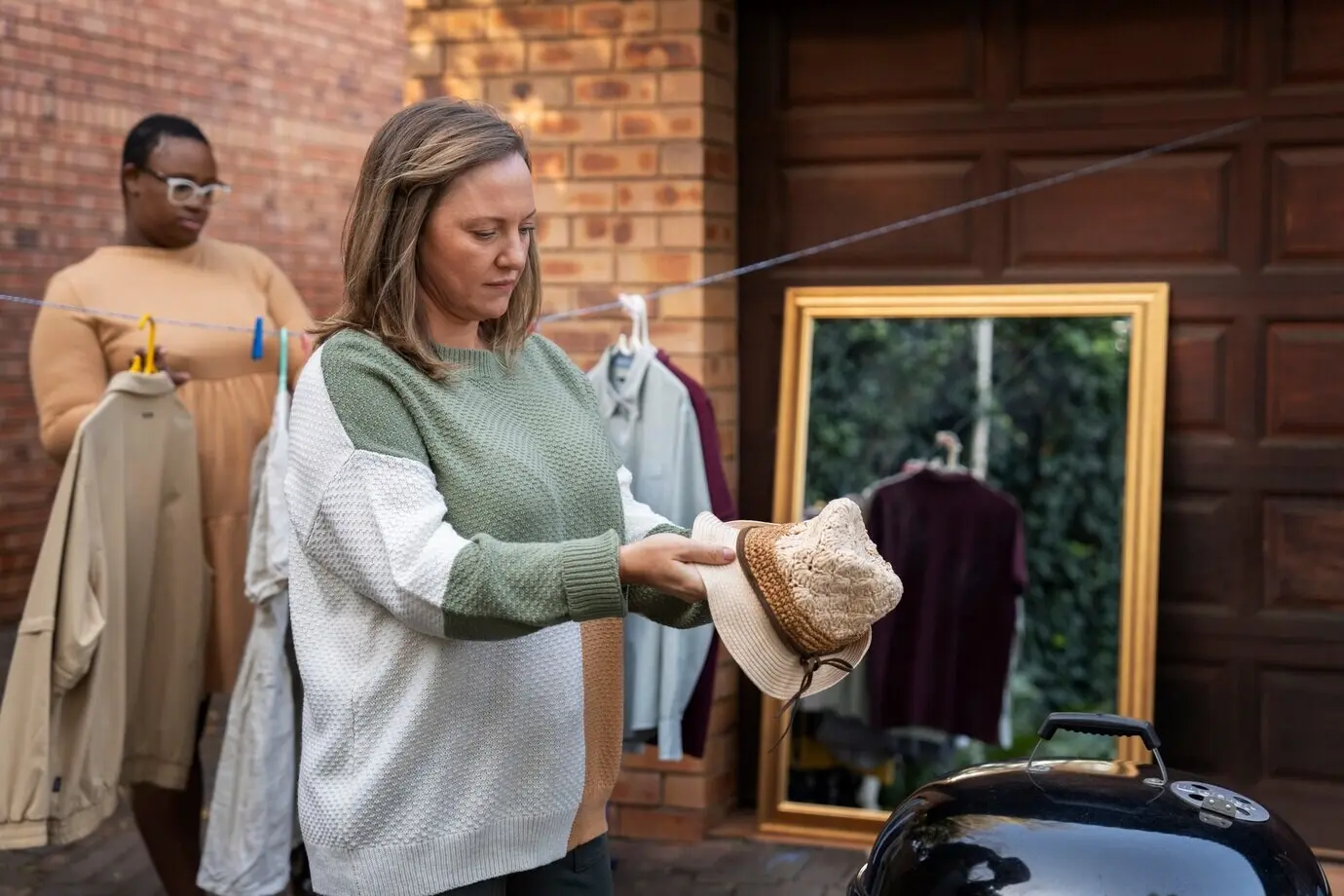
Curating with kindness ensures safety and satisfaction. Communicate standards in advance to minimize awkward conversations. Cleanliness, working wiring, and intact frames matter. A small repair station and stain‑removal kit salvage borderline pieces. Clear criteria builds trust, so guests know every item on display has been thoughtfully checked.

Clear acceptance criteria everyone respects

Say yes to clean textiles, functional lamps, undamaged frames, gently used vases, mirrors with secure backing, and small furniture in stable condition. Say no to cracked glass, frayed cords, pest‑risk textiles, or items requiring specialized installation. Share photos of examples so expectations are transparent and disputes rarely arise.

Cleaning, repairs, and safety checks

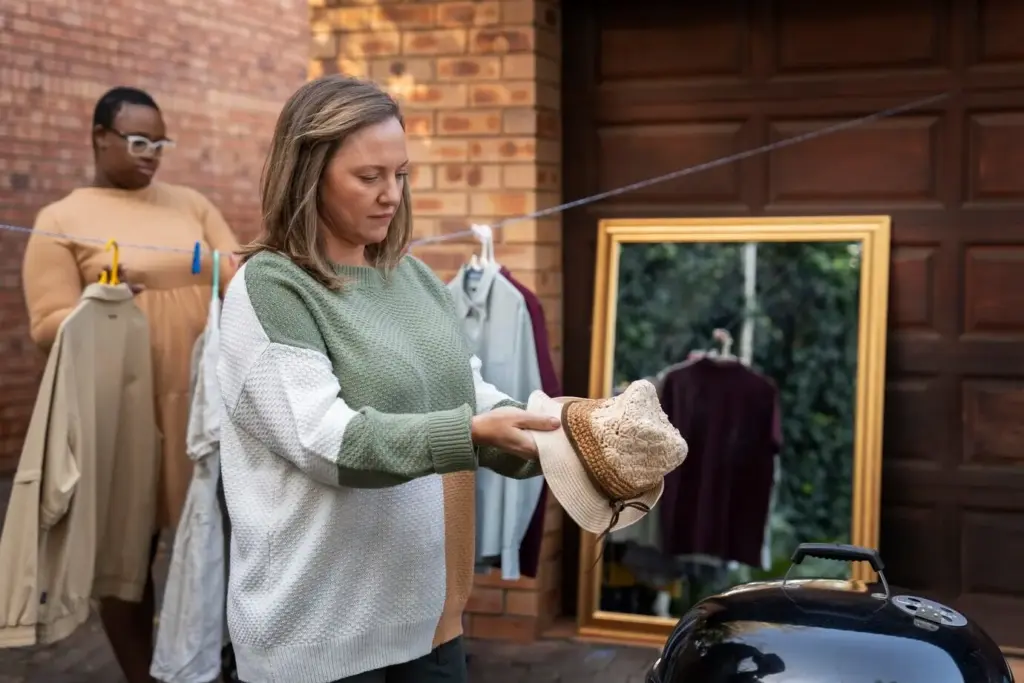
Stock microfiber cloths, furniture pads, zip ties, bulb testers, extension cords, and gentle cleansers. Check lamp sockets, shade fit, and cord integrity. Tighten screws on mirrors and frames. For textiles, quick lint‑rolling helps. These small touches elevate presentation, reduce returns, and honor the generosity behind each donated piece.

Photo catalog and preview night

Invite early photo submissions for bulky or standout items, then assemble a simple online gallery with dimensions and condition notes. Host a short preview hour for volunteers and elders to reduce crowds. Transparency lowers anxiety, speeds decisions, and helps people pre‑plan matches for rooms that need refreshing.

Spread the Word and Grow Belonging

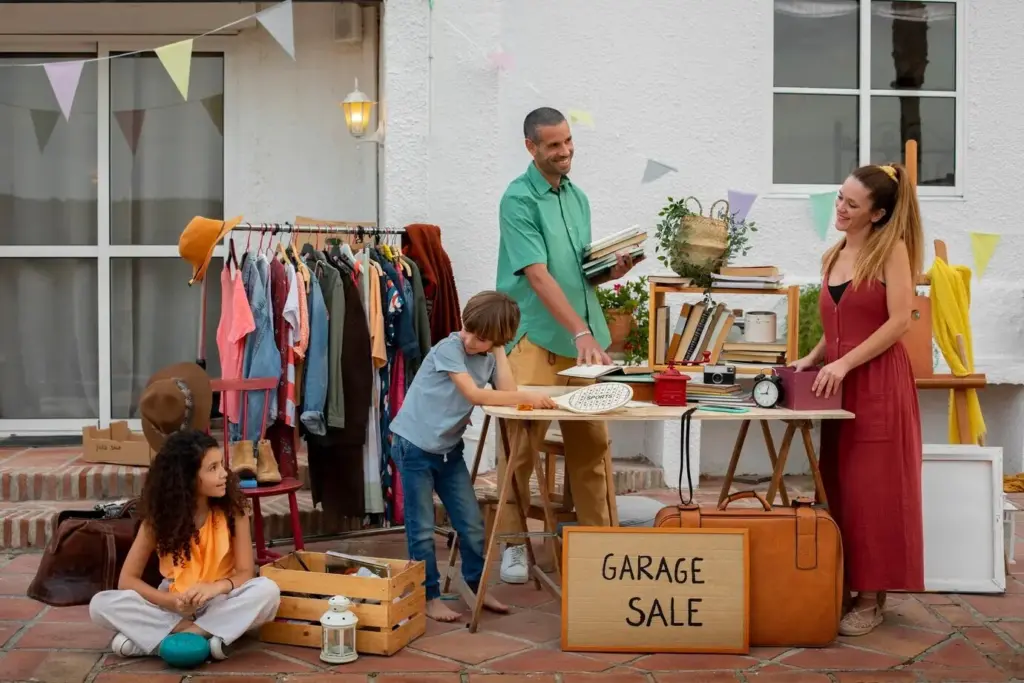
Promotion should feel like an invitation to co‑create beauty, not just a date on a calendar. Share stories, not just rules. Spotlight a neighbor’s upcycled frame or a rescued lamp. Offer clear how‑to guidance, emphasize inclusivity, and make it easy for busy people to share posts with friends.

Keep It Sustainable, Safe, and Accessible

Thoughtful details widen participation and minimize risk. Prioritize wheelchair access, clear aisles, and comfortably spaced displays. Provide masks, hand sanitizer, and gloves for handling textiles. Plan partnerships for leftovers. When everyone can navigate confidently, the experience becomes inclusive, dignified, and refreshingly simple to repeat season after season.
Nanulifuvotepuhaxeherama
Privacy Overview

This website uses cookies so that we can provide you with the best user experience possible. Cookie information is stored in your browser and performs functions such as recognising you when you return to our website and helping our team to understand which sections of the website you find most interesting and useful.